View in Hindi
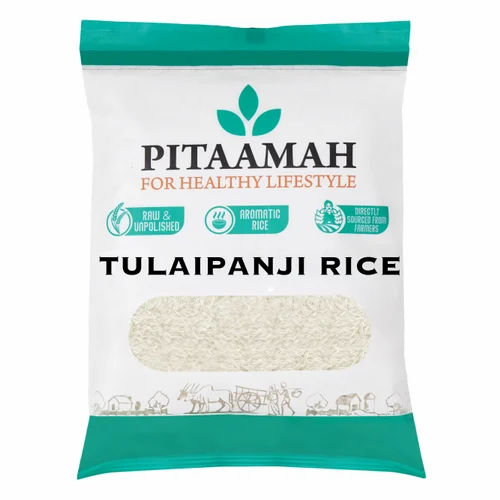
व्हाइट तुलिपंजी राइस, बंगाल, पैकेजिंग साइज़: 1 किलो
Preferred Buyer From: All over the world
Product Overview
Tulaipanji rice, also known as Tulaipanji, is an exquisite aromatic rice variety primarily cultivated in the northern regions of West Bengal, India. This rice is highly esteemed for its distinct fragrance, fine grain quality, and rich cultural heritage. Here is a detailed description of Tulaipanji rice: Characteristics Aroma and Flavor: Tulaipanji rice is renowned for its distinctive and rich aroma, which is often compared to the fragrance of basmati rice. The flavor is mildly sweet and nutty, enhancing the overall sensory experience of the dishes it is used in. Appearance: The grains of Tulaipanji rice are medium to long, slender, and white. They have a polished, glossy appearance and turn fluffy and separate when cooked. Texture: When cooked, Tulaipanji rice has a soft and tender texture with each grain remaining distinct. It is less sticky compared to other aromatic rice varieties, making it suitable for various culinary applications. Nutritional Value: This rice variety is rich in essential nutrients, including carbohydrates, proteins, vitamins, and minerals, contributing to a balanced diet. Cultivation and History Geographical Indication: Tulaipanji rice is primarily grown in the northern districts of West Bengal, particularly in the Dinajpur region. The specific climatic conditions and soil of this region contribute to the rice's unique qualities. Traditional Farming: The cultivation of Tulaipanji rice involves traditional farming methods, often utilizing organic practices. It is typically grown without synthetic fertilizers and pesticides, preserving its natural quality and purity. Heritage: Tulaipanji rice has a rich heritage and has been a staple in the region for generations. It is deeply embedded in the cultural and culinary traditions of West Bengal and is often associated with festive and special occasions. Culinary Uses Versatility: Tulaipanji rice is highly versatile and used in a wide range of dishes. It is particularly popular for making traditional Bengali dishes such as pulao, biryani, and payesh (rice pudding). Its aromatic quality enhances the flavor profile of these dishes. Festive Cooking: Due to its superior aroma and quality, Tulaipanji rice is often used in festive and ceremonial cooking. It is a preferred choice for preparing offerings during religious ceremonies and special occasions. Gourmet Ingredient: The unique flavor and texture of Tulaipanji rice make it a favorite among chefs for creating gourmet dishes. It pairs well with various spices, herbs, and ingredients, making it suitable for both vegetarian and non-vegetarian recipes. Health Benefits Digestive Health: The natural composition of Tulaipanji rice aids in digestion and is gentle on the stomach, making it suitable for people of all ages. Nutritional Content: Rich in essential nutrients, Tulaipanji rice supports overall health and provides a good source of energy. Antioxidant Properties: The rice contains antioxidants that help protect the body from oxidative stress and promote overall well-being. Cooking Tips Rinsing: It is recommended to rinse Tulaipanji rice thoroughly before cooking to remove any excess starch and ensure the grains remain separate. Water Ratio: Use the appropriate water-to-rice ratio to achieve the desired texture. Typically, for Tulaipanji rice, a 1:2 ratio of rice to water works well. Cooking Method: Cooking Tulaipanji rice on a low flame helps retain its aroma and ensures even cooking. It is best to let the rice simmer and then allow it to rest for a few minutes before serving to enhance its texture and flavor. About the Company GST Registration Date: Dec 2019 Legal Status of Firm: Limited Company Number of Employees: Upto 10 People Annual Turnover: 40 L - 1.5 Cr company-description: Pitaamah Industries Private Limited - Manufacturer of Pitaamah Maratha Ambemohar Organic Rice, Pitaamah Malayali Jeerakasala Organic Rice 25 kg Pitaamah Surti Kolam Organic Rice Since 2019 In Ghazipur, Uttar Pradesh.