Description
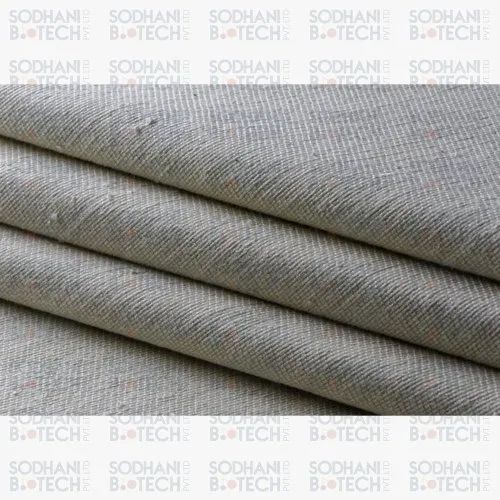
Fabric Code :- HOC 032WP/C :- 2/40 WT/C :- 16/1Ends/I :- Width (In cm): 110GSM:-Weave:- Hand wovenSuitable For:- Kurta and JacketA pure touch of nature, unadultered non toxic. A fabric fully suitable for women wear. Dye it, embroiderry on it or just plain stiching. A fabric that will make you stand apart. A fabric for making you feel closer to nature. A fabric for better future. Made from GOTS approved organic cotton yarn grown by farmers of India. About the Company Legal Status of Firm: Limited Company Number of Employees: 26 To 50 People Annual Turnover: 1.5 - 5 Cr company-description: Who we are Sodhani Biotech is a leading plant- and bacteria-based dyestuff research lab and distribution company, with the largest portfolio of sustainable dyes for textile dyeing mills, from across globe, to choose from. We are a team of young, passionate changemakers, on a mission to create products that work with nature, while also keeping pace with industry trends. We believe the only way to do that effectively is by constantly learning, unlearning, relearning, evolving and growing. As a team that finds happiness in the lap of nature, we believe fashion can stay on-trend without hurting the planet and the people who make our clothes. And that with the right dose of commitment and enthusiasm, this is a scalable, commercially viable way forward. What we do Simply put, we make natural dyes. But in fact what we do isn't all that simple. We combine timeless knowledge, nature's waste and modern technology to create a solution to modern fashion's biggest problem: Pollution from dyeing processes. We specialize in the extraction of dye and colour compounds from plants and plant waste. We started our journey with powdered versions of raw natural dye sources, but have since learnt to harness the power of technology to create extracts and are now working towards using bacteria to create more vibrant colours, without impacting the planet negatively. Our extracts are easy to use for commercial dyeing, minimize batch to batch variation, and are water soluble. Our bacteria-based dyes, produced using fermentation technology, will help offer a wider spectrum of colours and shades to our customers. We're on a mission to ensure natural-dyed clothing is no longer just a traditional niche affair, but becomes mainstream, for a larger impact. How we do it With a well-qualified R D team, a progressive infrastructural base and technically-advanced facilities. We have 3 dedicated labs, one each for Textile Application, Extraction and Microbiology, all of them working tirelessly towards a common goal: To achieve sustainable colours that can compete with synthetic dyes, when it comes to fastness, colour shades and repeatability. Our R D team boasts some of the best pharmacists and biotechnologists in the country, as well as a state-of-the-art laboratory. The result: We have been able to successfully develop 16 different commercially-viable natural extracts, from plants and plant waste. Our progressive infrastructural base enables us to cater to bulk orders, efficiently and urgently, so we're ticking all the boxes for robust growth. At Sodhani Biotech, sustainability is at the heart of everything we do. We work ethically, with care for the planet and people, and with transparency. We believe life expresses its symphony through nature, and with that in mind, we aim to create harmony between people and our ecosystem through our products, while establishing ourselves as a customer-centric company. Why we do it For fashion brands, adopting sustainable practices, such as using natural dyes, is no longer just a marketing point, but a necessity. According to reports, the fashion industry is responsible for anywhere between 8-10% of global carbon emissions. At least 50% of these emissions are from the dyeing process. Moreover, synthetic. Natural dyes, on the other hand, are mostly sourced from waste material, which translates to a much lower carbon footprint. In fact, data suggests that manufacturing natural dyes incurs anywhere between 40 to 50% less of a carbon footprint. Natural dyes also do not let effluents into the water bodies, reducing the impact on water bodies. The water treatment or ETP cost could go down by up to 80%, when companies switch to natural dyes.